


Celebrating Gay Pride Month: The History, Struggles, and Triumphs of San Francisco Pride

June marks Gay Pride Month, a time when communities across the world come together to celebrate LGBTQ+ identities, honor the ongoing fight for human rights, and remember the struggles faced by those who paved the way. Among the many Pride celebrations, San Francisco Pride stands out as a powerful symbol of resilience, activism, and community spirit. This post explores the foundation and history of Gay Pride Month, the origins and evolution of San Francisco Pride, and the broader themes of human rights, equality, and oppression that continue to shape the movement.

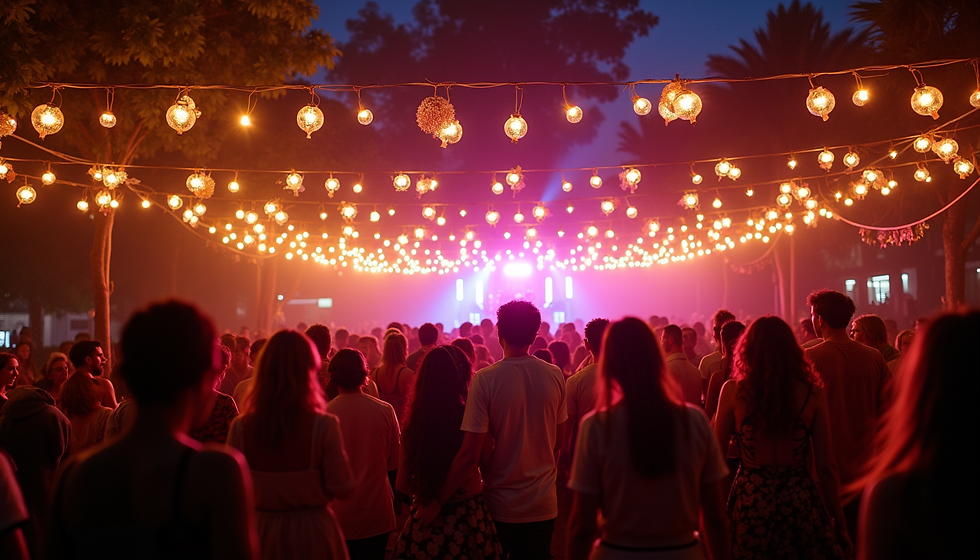
San Francisco Pride parade showcasing vibrant rainbow flags and a diverse crowd celebrating unity and equality.
The Foundation of Gay Pride Month
Gay Pride Month began as a response to decades of discrimination, violence, and invisibility faced by LGBTQ+ people. The spark that ignited this movement was the Stonewall uprising in June 1969, when patrons of the Stonewall Inn in New York City resisted a police raid. This event marked a turning point, inspiring LGBTQ+ communities to organize openly and demand their rights.
June was chosen to commemorate Stonewall, and the first Pride marches took place in 1970 in New York, Los Angeles, and Chicago. These early events were not just celebrations but acts of protest, demanding recognition, legal protections, and social acceptance. Over time, Pride Month has grown into a global movement that honors diversity and promotes equality.

The History of San Francisco Pride
San Francisco has long been a beacon for LGBTQ+ people, known for its welcoming atmosphere and vibrant queer culture. The city’s Pride celebration began in 1972, just two years after the first Pride marches in New York. It was organized by activists who wanted to create a visible and joyful expression of LGBTQ+ identity on the West Coast.
San Francisco Pride quickly grew in size and significance. The city’s Castro District became a central hub for LGBTQ+ life, activism, and culture. The parade and festival became a platform to raise awareness about issues such as HIV/AIDS, discrimination, and the fight for marriage equality.
Over the decades, San Francisco Pride has reflected the community’s evolving challenges and victories. It has honored pioneers like Harvey Milk, the first openly gay elected official in California, who was assassinated in 1978 but remains a symbol of courage and hope.
Human Rights and Equality in the Pride Movement
At its core, Pride Month is about human rights. LGBTQ+ people have faced systemic oppression, including criminalization, denial of healthcare, workplace discrimination, and violence. Pride events highlight the ongoing struggle to secure equal rights under the law and in society.
Key milestones in this fight include:
The decriminalization of homosexuality in many countries.
The legalization of same-sex marriage in numerous states and nations.
The introduction of anti-discrimination laws protecting LGBTQ+ individuals in employment, housing, and public services.
Increased visibility and representation in media, politics, and culture.
San Francisco Pride has often been at the forefront of these efforts, using its platform to advocate for policy changes and social acceptance. The event also serves as a reminder that equality is not yet universal and that many LGBTQ+ people still face oppression worldwide.
Oppression and the Continuing Struggle
Despite progress, LGBTQ+ communities continue to face significant challenges. In many parts of the world, being openly LGBTQ+ can lead to imprisonment, violence, or death. Even in more accepting places, discrimination persists in subtle and overt forms.
San Francisco Pride acknowledges these realities by including educational programs, workshops, and speeches that address issues such as:
Transgender rights and visibility.
Intersectionality, recognizing how race, gender, and class affect LGBTQ+ experiences.
Mental health and the impact of stigma.
The fight against hate crimes and police brutality.
These conversations ensure that Pride remains not only a celebration but also a call to action.
The Impact of San Francisco Pride Today
Today, San Francisco Pride attracts hundreds of thousands of participants and spectators each year. It is one of the largest and most well-known Pride events globally. The celebration includes a parade, a festival with live performances, community booths, and educational activities.
San Francisco Pride continues to inspire other cities and countries to hold their own Pride events, spreading messages of acceptance and equality. It also serves as a reminder of the power of community and the importance of standing up against oppression.


Comments