


Traveling to Canada with a DUI: What You Need to Know Before Your Cruise

Planning a cruise or vacation to Canada can be exciting, but if you have a DUI on your record, your trip may face unexpected challenges. Canada treats DUI offenses seriously, and travelers with such records often encounter restrictions at the border. Understanding these rules before booking your trip can save you time, money, and disappointment.
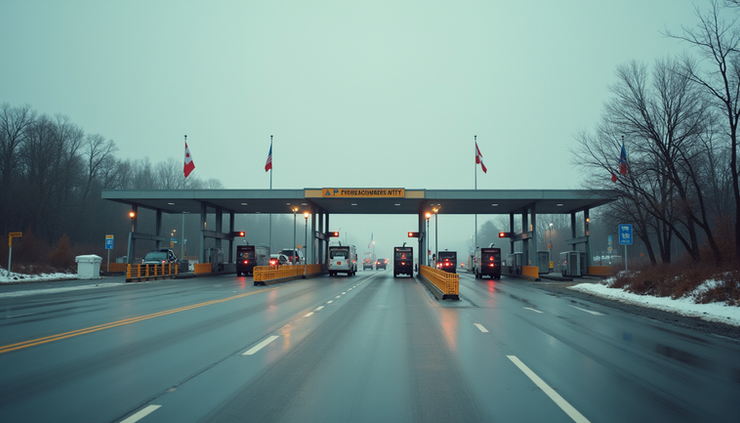
Why a DUI Matters When Traveling to Canada
Canada classifies a DUI (Driving Under the Influence) as a serious criminal offense. Unlike some countries that may overlook past minor offenses, Canadian border officials view a DUI as a high-risk felony. This classification means that travelers with a DUI conviction may be denied entry unless they take specific legal steps.
The Canada Border Services Agency (CBSA) enforces these rules strictly. If you arrive at a Canadian port or airport with a DUI on your record and without proper documentation, you risk being turned away from customs. This can disrupt your vacation plans, especially if you are on a cruise that docks in Canadian ports.
Understanding the Temporary Resident Permit (TRP)
One way to enter Canada despite a DUI is by obtaining a Temporary Resident Permit (TRP). This permit allows individuals with criminal records to visit Canada for a limited time under certain conditions.
What You Need to Know About the TRP Process
Lengthy and Complex: Applying for a TRP can take several months. The process involves submitting detailed paperwork, including court documents and personal statements.
Costly: The fees for a TRP application can approach $2,000 or more, depending on legal assistance and processing times.
Conditional Entry: A TRP does not guarantee entry but allows you to explain your situation to border officials. Approval depends on the nature of your offense and your reasons for visiting Canada.
Validity: TRPs are usually valid for a short period, often matching the length of your planned visit.
Because of these factors, it is crucial to start the TRP application well before your travel dates.
Criminal Rehabilitation as a Long-Term Solution
If your DUI conviction is more than five years old, you might qualify for Criminal Rehabilitation. This process removes your inadmissibility to Canada permanently, allowing you to travel without needing a TRP.
Key Points About Criminal Rehabilitation
Eligibility: You must have completed all sentencing requirements and waited at least five years since the conviction.
Application Process: Similar to the TRP, this involves submitting detailed documents and paying fees.
Permanent Solution: Once approved, you can enter Canada freely, making it ideal for frequent travelers.
Processing Time: This can take several months to over a year, so early application is essential.
Steps to Take Before Booking Your Cruise or Vacation
To avoid surprises at the border, follow these steps before finalizing your travel plans:
Check Your Record
Review your DUI conviction details, including dates and sentencing. This information will determine your eligibility for TRP or Criminal Rehabilitation.
Contact Canadian Immigration Authorities
Reach out to the Canadian consulate or immigration office for guidance tailored to your situation. They can provide the latest requirements and application procedures.
Apply Early for Permits
If you need a TRP or Criminal Rehabilitation, start the application process months in advance. Rushing this step can lead to delays or denials.
Consult an Immigration Lawyer
Legal experts specializing in Canadian immigration can help navigate complex paperwork and improve your chances of approval.
Inform Your Cruise Line
Some cruise companies may have policies regarding passengers with criminal records. Confirm their requirements to avoid last-minute issues.
What Happens If You Arrive Without Proper Documentation?
Travelers with a DUI who attempt to enter Canada without a TRP or Criminal Rehabilitation approval face immediate consequences:
Denied Entry: Border officers will refuse entry, and you may be sent back to your point of origin.
Missed Cruise Ports: If your cruise itinerary includes Canadian stops, you might miss those destinations.
Additional Costs: You could incur extra expenses for rerouting flights or accommodations.
Future Travel Impact: Being turned away can complicate future attempts to enter Canada.
Practical Tips for Travelers with a DUI
Be Honest at Customs
Always answer questions truthfully. Attempting to hide a DUI can lead to more severe penalties.
Carry Documentation
Bring court records, proof of rehabilitation, or TRP approval to present if asked.
Plan Alternative Itineraries
Consider cruises or vacations that do not require Canadian entry if your permit is pending or denied.
Stay Updated on Rules
Immigration policies can change. Check official Canadian government websites close to your travel date.
Final Thoughts on Traveling to Canada with a DUI
A DUI conviction complicates travel to Canada but does not make it impossible. Understanding the legal requirements and starting the permit process early can help you enjoy your cruise or vacation without interruption. Always seek official advice and prepare thoroughly before booking your trip.

Comments