


How the Passenger Vessel Services Act Shapes Your Cruise Experience in the U.S.
- Jayson R.

- Mar 14
- 4 min read
When planning a cruise along the U.S. coastline, especially to destinations like Alaska or Hawaii, you might notice some unusual routing or stops that seem out of the way. These travel quirks often stem from a law called the Passenger Vessel Services Act (PVSA). This regulation affects how cruise lines operate between U.S. ports and can influence your itinerary, pricing, and overall cruise experience.
Understanding the PVSA helps travelers make sense of why certain ships stop at foreign ports and why some cruise routes look different from what you might expect. This article explains the PVSA, its impact on cruise travel, and what it means for passengers exploring U.S. waters.
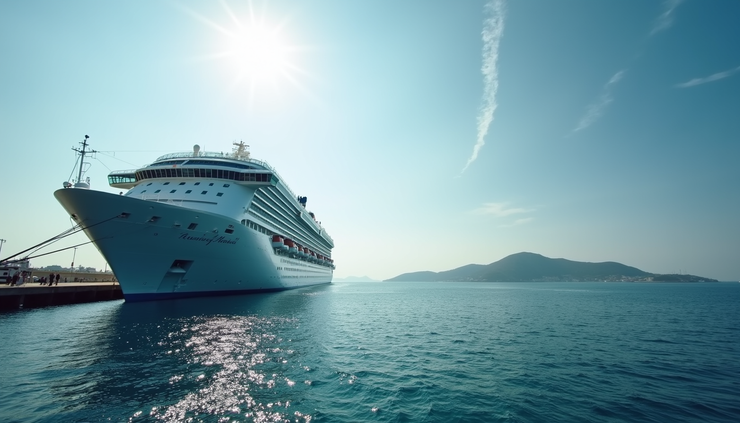
Cruise ships often include stops at foreign ports to comply with the Passenger Vessel Services Act.
What Is the Passenger Vessel Services Act?
The Passenger Vessel Services Act is a U.S. federal law enacted in 1886. Its main purpose is to protect the domestic maritime industry by restricting foreign-flagged vessels from transporting passengers directly between two U.S. ports.
In simple terms, if a cruise ship is registered under a foreign flag, it cannot carry passengers solely between U.S. ports without making a stop at a foreign port first. This rule applies to all passenger vessels, including cruise ships, ferries, and other passenger boats.
The law aims to support American shipbuilding and maritime jobs by encouraging the use of U.S.-flagged vessels for domestic routes. Since most cruise ships are foreign-flagged, the PVSA significantly shapes how cruise lines design their itineraries.
How the PVSA Affects Cruise Routes in the U.S.
Because of the PVSA, cruise lines must include a stop at a "distant foreign port" when traveling between two U.S. ports. This requirement impacts popular cruise destinations such as Alaska, Hawaii, and coastal routes along the mainland.
Alaska Cruises
Many cruises between Seattle and Alaska include stops in Canadian ports like Victoria or Vancouver. These stops are not just for sightseeing; they are necessary to comply with the PVSA. Without a foreign port stop, a foreign-flagged ship cannot legally transport passengers between Seattle and Alaska.
Hawaii Cruises
Cruises between the U.S. mainland and Hawaii often include stops in foreign ports such as Ensenada, Mexico. This detour allows the cruise line to follow PVSA rules while offering passengers a chance to explore additional destinations.
Coastal Cruises
Some cruises along the East Coast or West Coast of the U.S. may include foreign stops in Canada, Mexico, or the Caribbean. These stops ensure the cruise lines meet the PVSA requirements when traveling between U.S. ports.
Why Does the PVSA Matter to Travelers?
The PVSA influences several aspects of your cruise experience, from the route you take to the price you pay.
Itinerary Design
Because of the law, cruise itineraries often include foreign port stops that might seem out of the way. These stops can add variety to your trip, but they may also extend the travel time or add unexpected destinations.
Pricing and Availability
The PVSA limits the number of U.S.-flagged cruise ships, which are expensive to operate due to higher labor and construction costs. Most cruise ships are foreign-flagged to reduce expenses, but they must follow PVSA rules. This limitation can affect ticket prices and the availability of certain routes.
Passenger Experience
Some travelers enjoy the extra foreign stops, which provide more opportunities to explore new places. Others might find these stops inconvenient or unnecessary. Knowing about the PVSA helps set expectations for why your cruise includes these ports.
Exceptions and U.S.-Flagged Ships
While most cruise ships are foreign-flagged, a few U.S.-flagged vessels operate domestically. These ships can transport passengers directly between U.S. ports without stopping at foreign locations. However, U.S.-flagged ships are rare because they are more expensive to build and maintain.
For example, the ferry services between the Hawaiian Islands use U.S.-flagged vessels, allowing direct travel without foreign stops. But for most large cruise lines, the PVSA rules apply.
How Cruise Lines Work Around the PVSA
Cruise companies plan their routes carefully to comply with the PVSA while offering attractive itineraries. Some common strategies include:
Including foreign port stops: Adding a stop in Canada, Mexico, or the Caribbean to meet the legal requirement.
Using U.S.-flagged ships for certain routes: Limited to specific areas where U.S.-flagged vessels operate.
Offering repositioning cruises: These cruises move ships between regions and often include foreign stops to comply with the law.
These tactics allow cruise lines to operate efficiently while providing passengers with diverse travel options.
What Travelers Should Know Before Booking
Understanding the PVSA can help you choose the best cruise for your needs. Here are some tips:
Check the itinerary carefully: Look for foreign port stops and consider if you want to visit those destinations.
Ask about the ship’s flag: Knowing if the ship is U.S.-flagged or foreign-flagged can explain the route design.
Consider travel time and costs: Extra stops might add days to your trip or affect the price.
Be open to new destinations: Foreign stops can be a chance to explore places you might not have planned to visit.
The Future of the PVSA and Cruise Travel
The PVSA remains an important law for protecting U.S. maritime interests. However, it also creates challenges for the cruise industry and travelers. Some industry voices call for updates to the law to reflect modern cruise travel realities, but changes have been slow.
For now, the PVSA continues to shape how cruise lines operate in U.S. waters, influencing routes, pricing, and passenger experiences.
Understanding the Passenger Vessel Services Act helps explain why your cruise might include unexpected foreign stops and why certain routes exist. This law protects U.S. maritime jobs but also shapes the way cruise lines design their itineraries. When booking your next cruise, keep the PVSA in mind to better understand your travel options and enjoy the unique experiences it creates along the U.S. coast.


Comments